

 |
 |
 |
 |
 |
|
|
|
|
|

Fatty liver disease is a metabolic disorder that progresses silently. Fatigue, abdominal bloating, and low energy are among its early signs. Insulin resistance and lifestyle factors are the primary causes.
Fatty liver disease is defined as an abnormal accumulation of fat within liver cells. Non-alcoholic fatty liver disease (NAFLD) is the medical term for this condition in individuals who do not consume alcohol. The diagnosis is made when fat tissue comprises more than 5% of liver weight.
In clinical practice, we generally observe that these patients present with a combination of metabolic imbalances. Insulin resistance, obesity, and metabolic syndrome frequently co-occur with fatty liver disease.
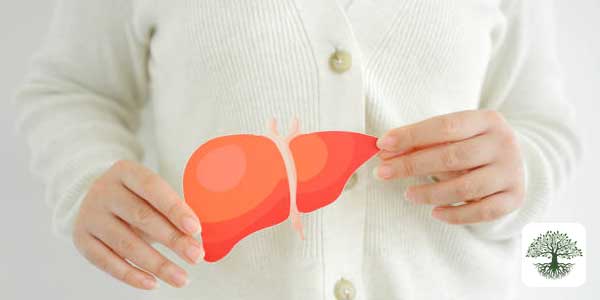
Multiple factors play a role in the development of fatty liver disease:
Insulin resistance is one of the primary mechanisms that triggers fat accumulation in the liver. When insulin sensitivity decreases, liver cells reduce glucose uptake and increase fat synthesis. Over time, this process leads to increased fat deposition in the liver.
When insulin resistance is detected early, it becomes easier to prevent or even reverse fatty liver disease.
Fatty liver disease generally follows a silent course, with distinct symptoms emerging only at later stages. However, early warning signs can be detected through careful evaluation.
In the early stages, patients typically experience the following symptoms:
The liver plays a central role in the body's energy metabolism. In fatty liver disease, the liver's capacity for glucose production and storage becomes impaired. In these patients, we typically observe a noticeable drop in energy levels, particularly during the early afternoon hours.
Laboratory values provide important clues for the early detection of fatty liver disease:
| Test | Normal Value | Seen in Fatty Liver |
| ALT (Alanine Aminotransferase) | 0–40 U/L | Mild to moderate elevation |
| AST (Aspartate Aminotransferase) | 0–40 U/L | Mild elevation |
| GGT (Gamma-Glutamyl Transferase) | 0–55 U/L | Significant elevation |
An assessment of blood values and vitamin-mineral balance is important for understanding the metabolic effects of fatty liver disease.
Fatty liver disease does not affect only the liver — it disrupts the entire metabolic balance. This condition negatively impacts the body's energy production, hormone metabolism, and detoxification processes.
A fatty liver causes significant changes in glucose metabolism. The liver's ability to regulate glucose production diminishes and insulin resistance increases. Fluctuations in fasting blood glucose levels are commonly observed in these patients.
The liver is responsible for the metabolism of many hormones. In the presence of fatty liver disease, these processes are disrupted and hormonal imbalances may arise.
The liver plays a critical role in the conversion of thyroid hormones to their active forms. The conversion of the T4 hormone into the active T3 hormone takes place largely in the liver. Fatty liver disease can negatively affect this conversion process.
The functional medicine approach focuses on the underlying causes of fatty liver disease. Rather than suppressing symptoms, this approach aims to correct the factors contributing to the problem.
A liver-friendly nutrition plan includes the following principles:
Regular exercise, quality sleep, and stress management are the cornerstones of liver health. In these patients, we generally observe the effects of lifestyle interventions within 3 to 6 months.
Physical activity increases insulin sensitivity and supports fat burning in the liver. At least 150 minutes of moderate-intensity exercise per week is recommended.
Fatty liver disease detected in its early stages is generally reversible. Fat accumulation in the liver can be reduced through appropriate nutrition, regular exercise, and lifestyle changes. This process typically takes 6 to 12 months.
Processed foods, excessively sugary beverages, trans fats, and foods high in fructose should be avoided. Alcohol consumption should also be limited or eliminated entirely.
Insulin resistance and fatty liver disease form a self-reinforcing cycle. While insulin resistance increases fat accumulation in the liver, a fatty liver in turn deepens insulin resistance. For this reason, treatment must address both conditions simultaneously.
Internal Medicine, Functional Medicine
|
|
|
|
|
Küçükbakkalköy Mah., Sarı Lale Street
Ulugöl Plaza No:1, Interior Door No:10
Ataşehir, Istanbul, Turkey
Monday - Saturday: 08:30 AM - 06:30 PM
Dr. Pınar Sarıyıldız
Communication Coordinator
Is there anything I can help you with?.
09.00