

 |
 |
 |
 |
 |
|
|
|
|
|

Kidney diseases often progress without showing any symptoms. Early findings such as protein leakage, microalbuminuria, or electrolyte imbalances can be important signals in terms of kidney and vascular health. In this content, we address the risks affecting kidney functions from the perspective of internal medicine and functional medicine.
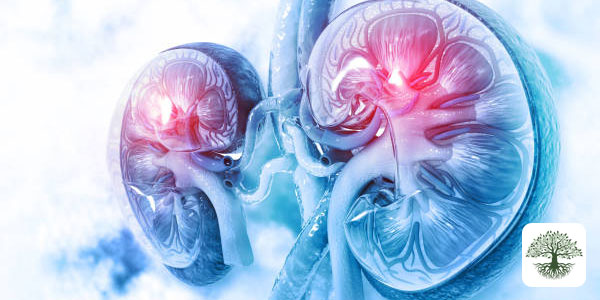
Kidney diseases can often progress without causing noticeable complaints. This is due to the kidneys' high compensatory capacity. From the perspective of functional medicine and internal medicine, recognizing kidney-related risks at an early stage is critically important for preventing progressive damage.
The kidneys are organs that can adapt for a long time in order to continue performing their functions. A person may feel well until the loss of function falls below a certain threshold. For this reason, kidney damage is most often detected incidentally during routine tests or while monitoring other accompanying conditions.
Kidney diseases do not always begin with prominent complaints. However, certain findings, when carefully evaluated, can be considered early warning signals.
Especially in individuals with hypertension, diabetes, and vascular disease, the kidneys can be silently affected. Findings such as microalbuminuria or mild protein leakage may appear before overt kidney failure develops. In the functional approach, such findings are evaluated not only in terms of kidney health, but also as an indicator of vascular and metabolic risk.
The aim of this section is to reveal why kidney diseases are detected late and to explain why seemingly minor laboratory changes can be significant. In this way, a more informed monitoring framework can be established for recognizing risk before kidney failure develops and for slowing its progression.
In the functional medicine approach, the kidneys are not viewed merely as organs that produce urine and filter waste. The kidneys are central to many vital processes, including regulation of blood pressure, electrolyte balance, acid–base control, and hormone activation. For this reason, even the smallest changes in kidney function can affect the body's overall balance.
The kidneys are regulatory organs that keep the body's internal environment in balance. In functional assessment, these functions are addressed as a whole.
Kidney functions are in mutual interaction with many other organs and systems. Therefore, problems arising in the kidneys are rarely isolated.
In functional medicine, kidney damage is not assessed solely through advanced-stage failure. Mild creatinine elevations, urinary protein leakage, or electrolyte imbalances are treated as early steps in the process. This approach allows risk to be recognized before damage progresses further.
The primary aim of the functional medicine perspective on the kidneys is to identify risk before irreversible damage occurs and to make visible the areas where the process can be slowed. This approach does not exclude the necessary medical treatment in internal medicine practice; on the contrary, it contributes to establishing a more informed and personalized monitoring process.
Kidney failure is most often the result of a process that progresses over years, rather than a condition that develops suddenly. From the perspective of internal medicine and functional medicine, kidney failure is regarded not as a diagnosis in isolation, but as an indicator that the risks straining the kidneys were not managed early enough. Therefore, understanding how the process begins and which factors drive its progression is of critical importance.
Kidney failure is evaluated under two main clinical presentations. This distinction is decisive in terms of monitoring and management.
Chronic kidney failure is generally not attributable to a single cause. In most patients, more than one risk factor accompanies the process.
In the functional approach, the essential question is not "is kidney failure present?" but rather "why did this process begin and why is it progressing?" This perspective does not merely measure existing loss of function; it also focuses on identifying the factors that accelerate progression.
Mild increases in creatinine levels or small declines in eGFR values can often be clinically overlooked. Yet these changes may indicate that kidney reserve is beginning to diminish. In the functional medicine approach, these early signals are regarded as an opportunity to prevent progressive damage.
Kidney failure most often goes through a lengthy preparatory process before it becomes a difficult-to-reverse condition. The aim of this section is to treat kidney failure not as a final stage, but as a process that can be recognized early and slowed. The combined use of internal medicine follow-up and the functional approach can contribute to managing this process in a more informed manner.
Internal Medicine, Functional Medicine
|
|
|
|
|
Küçükbakkalköy Mah., Sarı Lale Street
Ulugöl Plaza No:1, Interior Door No:10
Ataşehir, Istanbul, Turkey
Monday - Saturday: 08:30 AM - 06:30 PM
Dr. Pınar Sarıyıldız
Communication Coordinator
Is there anything I can help you with?.
09.00